
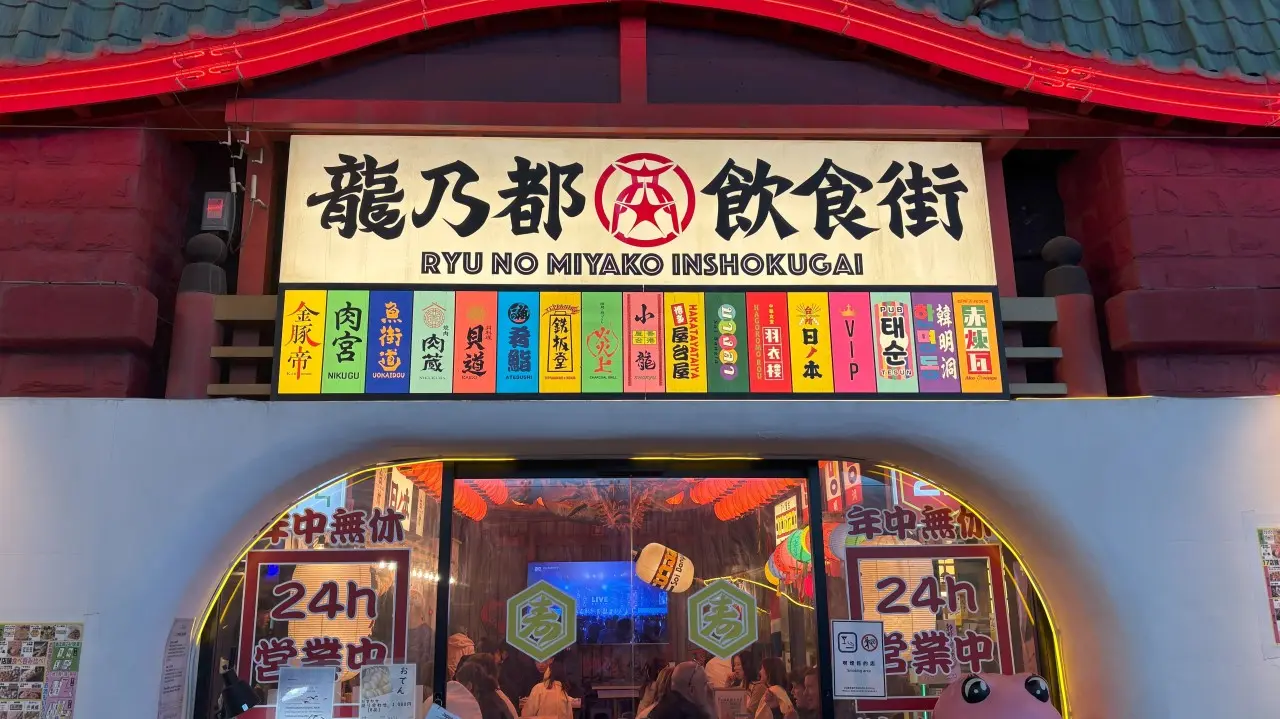
Each year, I fine-tune my strategy to maximize efficiency and value. Since there’s no direct route from Detroit to Kuala Lumpur (unless you’re willing to shell out $8,000 to $10,000 for first class), I focus on two key factors: choosing the right layover destination and optimizing the duration of my stay.
Last year, I hit the jackpot with a 23-hour layover in Istanbul—a perfect blend of convenience and exploration. However, changes in airline policies this year left me with only two choices: endure an 11-hour airport wait or purchase an $1,800 ticket that saved only minimal time.
That dilemma led me to rethink my approach. Instead of relying on round-trip fares, I began exploring one-way flights—often dismissed as expensive but ultimately the key to flexibility and savings. My revised plan? A six-day layover in Tokyo at no additional cost.
While Singapore was a tempting option due to its efficiency and familiarity, a six-day stay there would have been much pricier than in Bangkok or Tokyo. I prioritized cities with favorable exchange rates and lower living costs to ensure both comfort and affordability.
From Layover to Luxurious Experience
Many travelers consider layovers a nuisance, but I view them as an opportunity. Here’s how I made the most of my time in Tokyo while keeping expenses in check:
- Choosing Narita over Haneda: This decision saved me between $100 and $150 on airfare. A 90-minute train ride to Tokyo cost just $20.
- Booking accommodations early: Reserving a stay 90+ days in advance through third-party sites slashed my costs by 40-55%. I secured a capsule hotel in Shinjuku for only $150 for six nights.
- Opting for a hotel with all-inclusive amenities: Unlimited snacks and beverages Complimentary breakfast and dinner An evening liquor service featuring over 35 varieties In-house onsen for relaxation
In total, for under $600, I comfortably explored neighborhoods like Shinjuku, Shibuya, Asakusa, and even visited Tokyo Tower—all without the stress of a rushed layover.
Time & Cost Efficiency: Rules for Smart Travel
Time is as valuable as money, especially for busy executives. Here are some principles that help optimize both:
- Minimize long commutes: Avoid spending excessive time traveling to a single attraction.
- Bypass long restaurant lines: Prioritize richer experiences over waiting for a meal.
- Dine away from tourist hotspots: This strategy not only offers better quality food but also reduces dining costs by at least 25%.
Technology: The Key to Seamless Travel
Navigating Tokyo initially seemed daunting—especially with the language barrier and a complex subway system. However, smart technology made the transition effortless:
- An eSIM from Helo1010.my provided seamless 5G connectivity.
- Google Lens enabled real-time translation of menus and signage.
- ChatGPT-powered translation transformed spoken English into natural, conversational Japanese.
- Google Maps and a JR Pass simplified navigation throughout the city.
Leveraging these technological tools allowed me to navigate Tokyo confidently just hours after arrival. If you’re interested in learning how to apply these strategies, I’d be happy to share more insights.
Beyond Travel: A Mindset Shift
For years, my trips to Kuala Lumpur felt routine—like a visit to family during the holidays, repeating the same cycle. Now, I deliberately incorporate exploration into my travels, turning obligatory journeys into enriching adventures.
I also appreciate the privilege of traveling in this flexible way. With my business running efficiently without constant oversight, I enjoy financial freedom and autonomy—an invaluable benefit.
For those who travel frequently, whether for work or leisure, I encourage you to rethink your approach. Travel is not merely about reaching a destination; it’s about maximizing the experience along the way.
How do you elevate your travel experiences? Let’s discuss.
This page reproduces Gabe's authored LinkedIn article as a local, distraction-free reading edition. The narrative is rendered only as safe text—never as executable HTML.
Local images · Metadata removed · No LinkedIn scripts or backlinks